Melbourne Spent Longer in Lockdown Than Almost Any City on Earth. Its Dating Scene Is Still Catching Up.
A 2026 survey of Australian daters by Coffee Meets Bagel found that 91% find modern dating apps challenging, citing ghosting, burnout from endless swiping, and shallow profiles as the top complaints.

Empty Nest, Full Inbox: Why Melbourne's New School Year Is Secretly a Dating Apps Holiday for Parents
Let's start with a date that's further away than it should feel.
Victorian government schools return for Term 1 on Thursday, January 28, 2027 — the actual start of the school year here, since Australia runs its academic calendar from late January to mid-December instead of September to June. It's five months from now.

The Dating Recession in Melbourne: Why So Many Singles Have Quietly Stopped Trying
Melbourne likes to think of itself as Australia's most liveable city — laneways, coffee culture, a bar for every mood. It's also, by the numbers, one of the most single. And increasingly, one of the hardest places in the country to turn "single" into "seeing someone."
Australia's Divorce Rate Just Rose for the First Time Since Covid. Melbourne Is Driving the Opposite Number.
Let's start with the number that broke a run.
Australia's divorce rate ticked up to 2.2 per 1,000 people in 2025, the first increase since the pandemic-era spike of 2021, according to the Australian Bureau of Statistics. It's a small move, and the long-term trend is still sharply down — the rate was 3.3 as recently as 2005 — but after years of steady decline, it's worth noting when the line finally bends the other way.

When Does Cuffing Season Actually Start in Melbourne? The Data Says It's Wearing a Scarf and Holding a Footy Record
It's the backdrop against which an entire generation of Melbourne singles recalibrated what "going out" actually meant, and it's part of why a city already famous for chasing real-world connection has leaned even harder into in-person meetups, footy trivia nights, and IRL events in the years since.
The University of Melbourne Just Proved Melbourne's Own Young People Are Its Loneliest Generation
Let's start with a finding that came out of Melbourne itself, about Melbourne's own generation.
The University of Melbourne's HILDA Survey — Australia's longest-running study of the same 17,000+ people, tracked year after year — found that loneliness in Australia has quietly flipped on its head. Two decades ago, older Australians were consistently the loneliest group in the country. Today, they're the least lonely.

Melbourne's Dating Pool Flips at Exactly 28. Nobody Tells You Until You're 29.
Melbourne has 97.9 males for every 100 females, according to the Australian Bureau of Statistics — close enough to even that, on its own, it shouldn't be a major factor in anyone's dating life. But demographer Simon Kuestenmacher's analysis of national census data found something far more specific and far more useful: among Australians under 28, there are more single men than single women.

Melbourne Is One of Australia's Youngest Big Cities. Its Fastest-Growing Group of Daters Is Still Over 50.
Let's start with the number that doesn't fit Melbourne's reputation.
Only 15% of Melbourne's population is 65 or older — actually lower than regional Victoria's 20%, according to recent demographic analysis. The reason is simple: young people move to Melbourne, and a lot of retirees move out to the coast.

Melbourne's Singles Are Split by Postcode. Almost Nobody Realises It.
Demographic analysis of Australian census data shows a strikingly consistent pattern across Melbourne: the inner city — Fitzroy, Richmond, St Kilda, the CBD fringe — carries a clear surplus of single women who have never married
Melbourne Basically Named "Chalance" First. It Just Called It Being Chill.
Chalance is the performance of not caring, engineered to look completely unforced. The message left on read for a day longer than necessary. The interest dialled to exactly enough to seem present, never enough to seem invested. It's being treated nationally as a fresh discovery. Melbourne singles might reasonably ask what took everyone else so long.
It doesn't arrive alone. Kittenfishing —

Tinder Is Losing Subscribers. Melbourne Had Great Social Infrastructure Before The Apps.
Let's start with a line from a Melbourne woman who left Hinge and tried speed dating instead.
After a long run of failed situationships and app-sourced disappointments, a friend told her something that she found, unexpectedly, liberating: "It was just luck. That's all."
She wrote: "My luck was unlikely to be hiding somewhere between a curated six-photo grid and a prompt about pineapple on pizza."1

He Didn't Write That Opener. Neither Did She. Welcome to AI Dating in Melbourne.
Let's paint the scene.
It's a Wednesday evening. She's on Hinge from her Fitzroy share house, composing what reads like a genuinely warm and specific message. References his photo at what looks like Bar Liberty. Asks a question about the Meredith Music Festival. Sounds like someone who actually lives here.
The Flat White Costs $6. So Does the Conversation About Who Paid For It.
The Melbourne first date does not begin at a restaurant.
It begins, almost always, at a cafe. A specific kind of cafe — not a chain, not anything with a logo you'd recognise from an airport, but somewhere on a laneway in Fitzroy or a side street off Sydney Road in Brunswick or tucked behind a terrace on Smith Street that you only know about because someone who actually lives here told you.
Melbourne Has a Ghosting Problem. And Everyone Already Knows It.
73% of Australians have ghosted someone. 91% find the apps exhausting. And somehow, the most socially gifted city in the country is still doing this to itself.
There is a particular kind of silence that Melbourne daters know well.

Therapy Is the New Six-Pack (Melbourne Edition: The World's Most Liveable City Has a Feelings Problem)
For years, Melbourne called itself the world's most liveable city. It had the coffee, the laneways, the arts scene, the food. The trams. A richly particular sense of its own cultural superiority over Sydney that the city has never quite stopped enjoying.
In 2025, more than a third of Melburnians said life in the city had worsened over the past year. Eighty-five percent of young Australians reported experiencing financial difficulties. Vacancy rates in Melbourne's rental market sat at 1.5% — less than half what a balanced market requires.
The city still has the coffee.
Your Situationship Is "Mathematically Still Alive" for Finals. Let's Be Honest About What That Means.
It is that time of year.
We're deep enough into the AFL season that the ladder actually means something — Round 13 done, the top of the table starting to separate from the pack, and every pub in Fitzroy has at least one argument going about percentage, the wildcard finals system, and whether anyone outside the top four actually has a real premiership chance or just a flattering ladder position.

Melbourne Has Standards for Everything. Somehow Low-Effort Dating Became the Exception.
69% of Australians are experiencing digital burnout. 66% of Australian women are done making compromises. And a city that would never accept a bad coffee, a poorly designed space, or a restaurant that did not care about what it put on the plate has somehow been tolerating low-effort dating for years. Date three is where that ends.
Melbourne has a word for the thing that drives its culture. Standards.
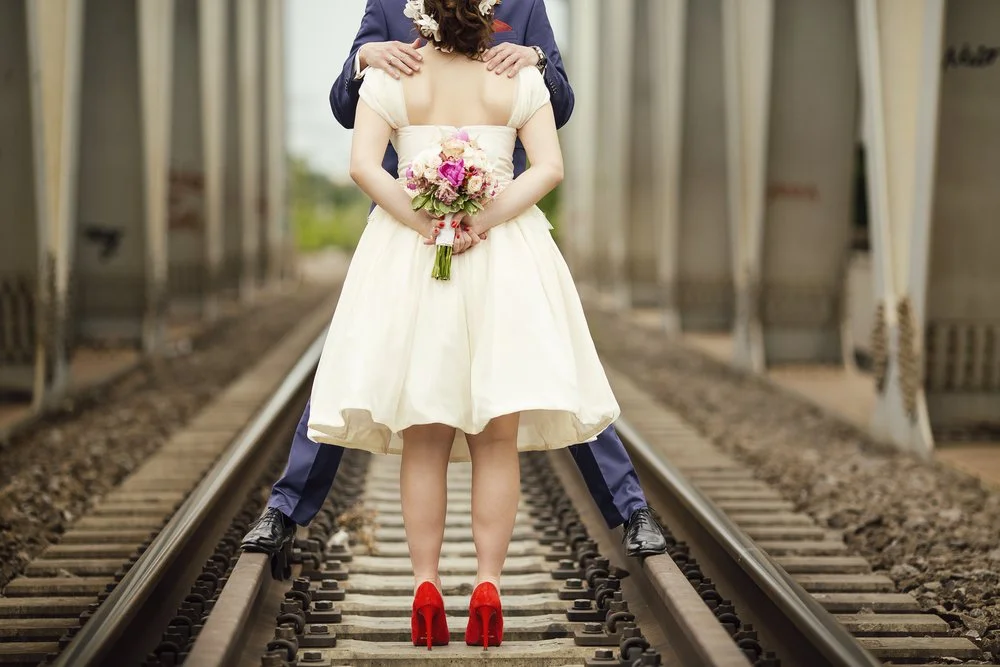
Melbourne Takes Its Coffee Seriously. Its Art Seriously. Its Food Seriously. So Why Is It Still Leaving Love to an Algorithm?
Melbourne is extraordinary. The food, the laneways, the coffee that the rest of the country openly envies, the arts scene that genuinely punches above its weight on a global scale. It is a city with deeply held opinions — about where to get a flat white, about which neighbourhood matters, about what good design looks like. Melburnians do not settle. It is almost a point of civic pride.
And yet.
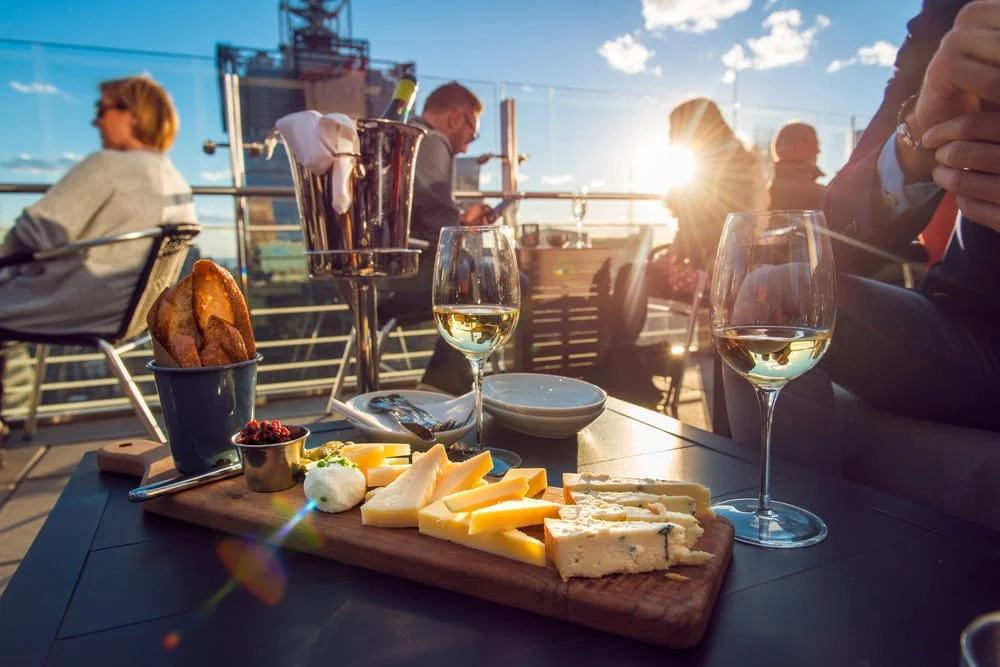
Melbourne, They Tried to Ban the World Cup. The Premier Said No. Now It's Yours.
Federation Square. AAMI Park. The Melbourne Code, temporarily suspended — by the one social force strong enough to crack it open. The Socceroos' Sunday afternoon opener. And a city that just had its biggest watch party almost taken away, and fought back loudly enough for the Premier to intervene.